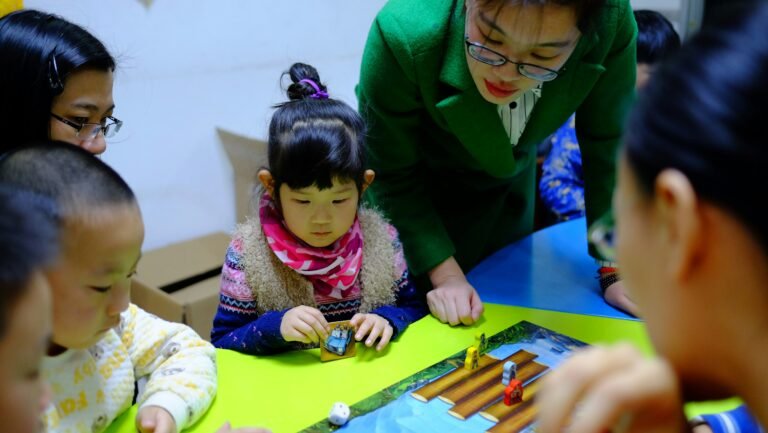

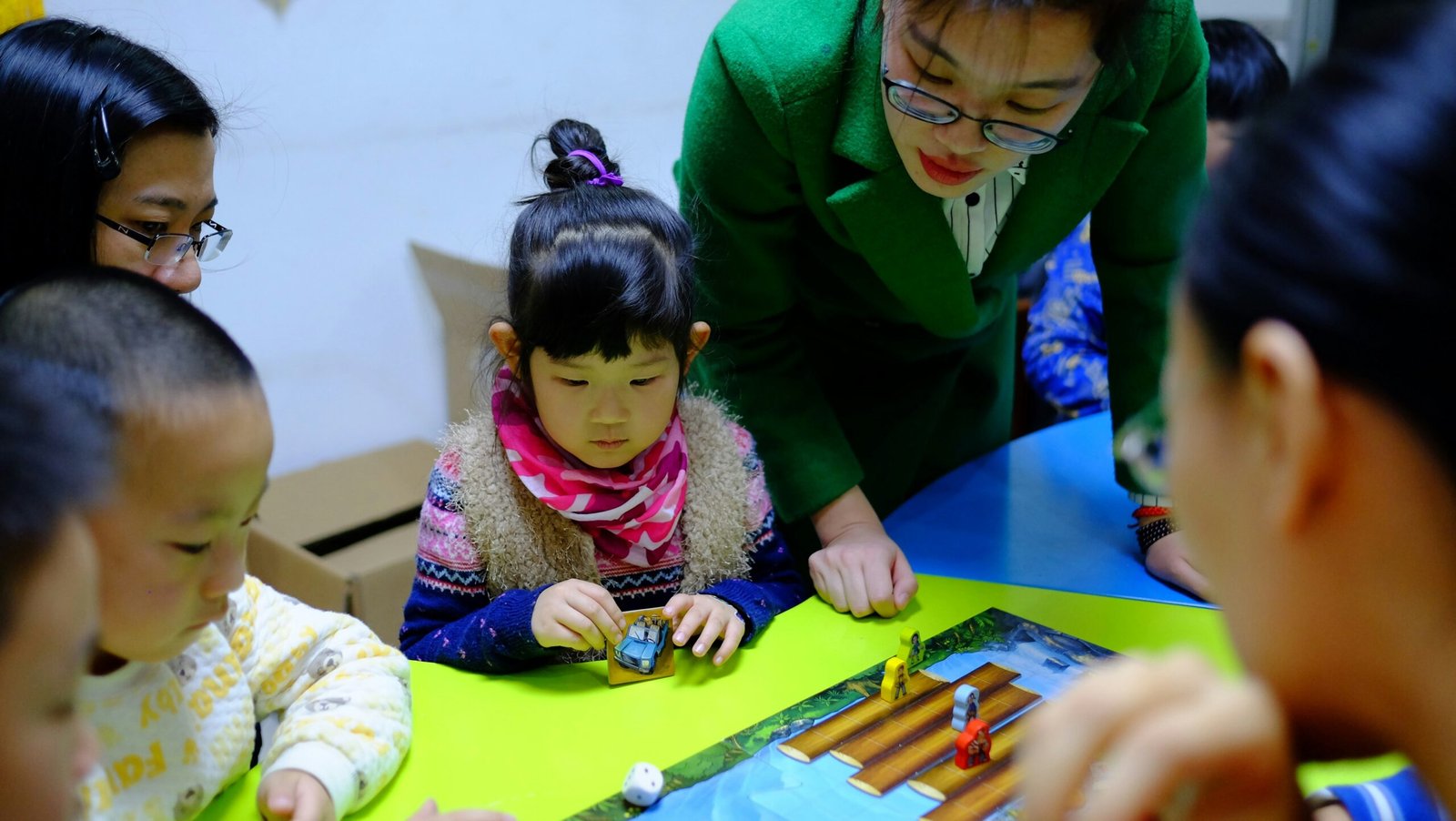
In the formative years between ages one and three, children experience extraordinary cognitive, emotional, and physical growth. During this critical developmental window, a thoughtfully designed toddler curriculum lays the foundation for lifelong learning. For childcare centers, preschools, and early education providers, implementing a structured yet flexible curriculum is not simply beneficial—it is essential to delivering measurable developmental outcomes and maintaining high program standards.
This article explores the key components of an effective toddler curriculum, best practices for implementation, and strategic considerations for educators and administrators seeking to enhance early learning programs.
Understanding the Purpose of a Toddler Curriculum
A high-quality toddler curriculum supports whole-child development. Unlike academic-focused programs for older children, toddler education emphasizes exploration, sensory engagement, and social-emotional growth.
At this stage, children are developing:
- Language and communication skills
- Fine and gross motor coordination
- Emotional regulation
- Social interaction abilities
- Early problem-solving skills
An effective curriculum provides structured opportunities to nurture these domains while preserving the play-based learning model that research consistently supports.
Core Components of an Effective Toddler Curriculum
A well-rounded toddler curriculum should address multiple developmental areas through intentional planning and guided activities.
1. Social-Emotional Development
Social-emotional learning forms the cornerstone of early childhood education. Toddlers are learning how to:
- Express feelings appropriately
- Share and take turns
- Develop empathy
- Build secure relationships with caregivers
Activities such as guided group play, storytelling, and emotion-labeling exercises help children build foundational interpersonal skills.
2. Language and Early Literacy
Language acquisition accelerates rapidly during the toddler years. A comprehensive toddler curriculum integrates:
- Daily read-aloud sessions
- Singing and rhyming activities
- Simple storytelling
- Conversational engagement
Educators should prioritize responsive communication, expanding on toddlers’ words and encouraging expressive language development.
3. Cognitive and Problem-Solving Skills
Toddlers learn through cause-and-effect exploration. Curriculum plans should include:
- Sorting and matching games
- Shape and color recognition activities
- Simple puzzles
- Sensory bins
These activities stimulate curiosity and lay the groundwork for future STEM learning.
4. Physical Development
Motor skill development is equally critical. A balanced toddler curriculum incorporates:
- Outdoor play
- Climbing and balancing activities
- Art projects for fine motor strengthening
- Music and movement sessions
Physical engagement supports brain development and overall well-being.
5. Creative Expression
Art, music, and imaginative play allow toddlers to explore creativity. Open-ended art activities—rather than product-driven crafts—encourage independence and self-expression.
Creative components of a toddler curriculum may include:
- Finger painting
- Dramatic play stations
- Musical exploration
- Building blocks and manipulatives
The Importance of Play-Based Learning
Research consistently demonstrates that play is the most effective vehicle for early learning. A successful toddler curriculum does not rely on rigid academic drills. Instead, it uses structured play experiences guided by trained educators.
Play-based learning:
- Encourages intrinsic motivation
- Builds executive functioning skills
- Supports language development
- Enhances problem-solving abilities
Balancing intentional instruction with child-led exploration ensures developmentally appropriate practice.
Structuring a Toddler Curriculum for Daily Success
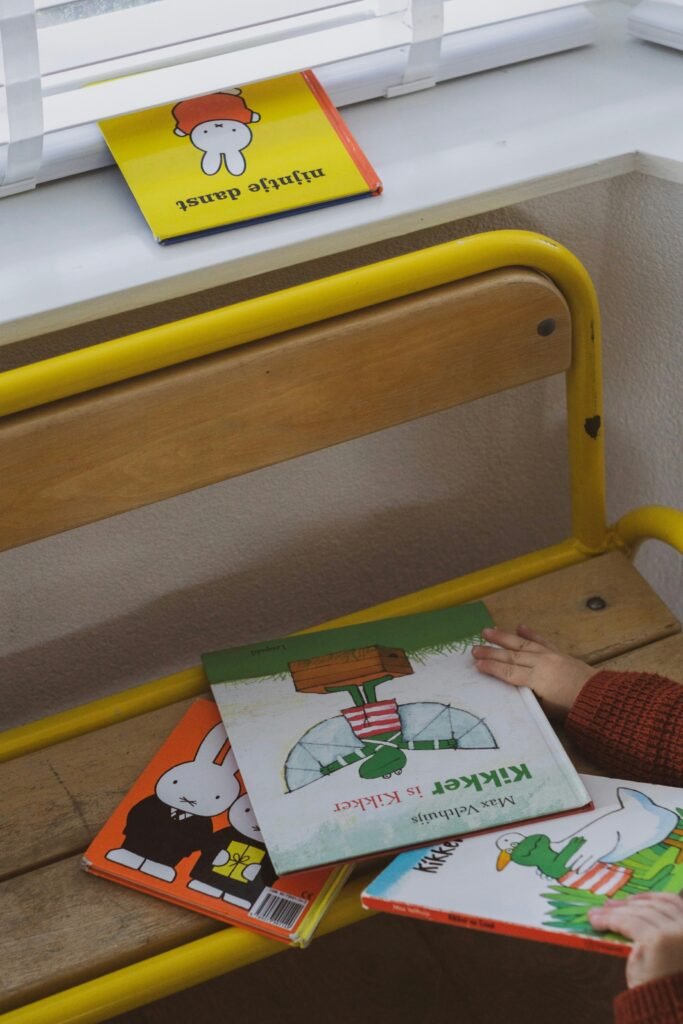
Consistency provides toddlers with a sense of security. A predictable routine supports emotional regulation and smoother transitions.
A typical daily structure may include:
- Welcome and free play
- Circle time
- Small group activity
- Outdoor exploration
- Lunch and rest
- Creative play session
While routine is important, flexibility remains essential to accommodate varying energy levels and attention spans.
Aligning Curriculum with Early Learning Standards
Early childhood programs should ensure their toddler curriculum aligns with state early learning standards and accreditation frameworks. Alignment enhances:
- Program credibility
- Regulatory compliance
- Parent trust
- Measurable developmental outcomes
Curriculum documentation should clearly map activities to developmental milestones and learning objectives.
Assessment and Continuous Improvement
Assessment in toddler education differs from traditional academic evaluation. Observational assessments, developmental checklists, and anecdotal records provide insight into progress without formal testing.
Administrators should:
- Conduct regular curriculum reviews
- Provide ongoing teacher training
- Collect parent feedback
- Monitor child progress through documentation
Continuous refinement ensures the toddler curriculum remains relevant, effective, and responsive to children’s needs.
The Role of Educator Training
Even the most comprehensive toddler curriculum depends on skilled educators for successful implementation. Professional development in child development theory, classroom management, and responsive caregiving is critical.
Well-trained teachers can:
- Scaffold learning experiences
- Adapt activities to individual needs
- Foster inclusive environments
- Maintain classroom engagement
Investing in educator competency directly enhances curriculum effectiveness.
Conclusion: Building a Strong Foundation for Lifelong Learning
A strategically developed toddler curriculum is more than a collection of activities—it is a framework that shapes early cognitive, social, and emotional development. By emphasizing play-based learning, structured routines, developmental alignment, and educator training, early childhood programs can deliver meaningful outcomes during this critical stage of growth.
For childcare providers and educational leaders, prioritizing curriculum quality is a long-term investment in both institutional excellence and children’s lifelong success. A thoughtfully designed toddler curriculum not only prepares children for preschool and beyond but also fosters curiosity, confidence, and a love of learning that endures for years to come.
About The Author