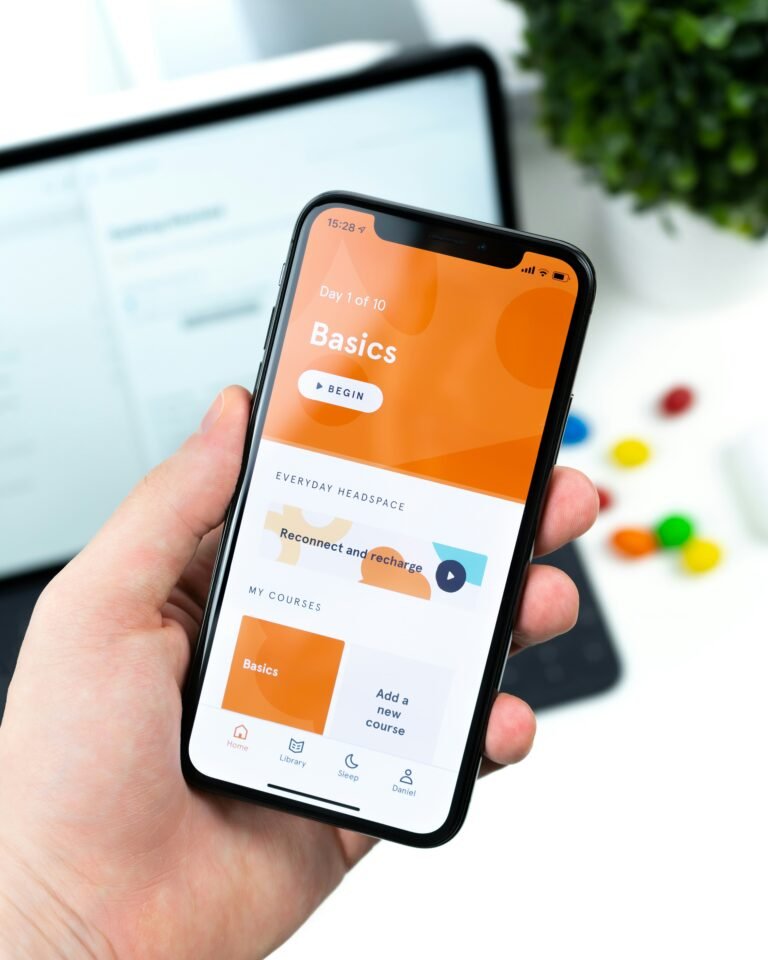

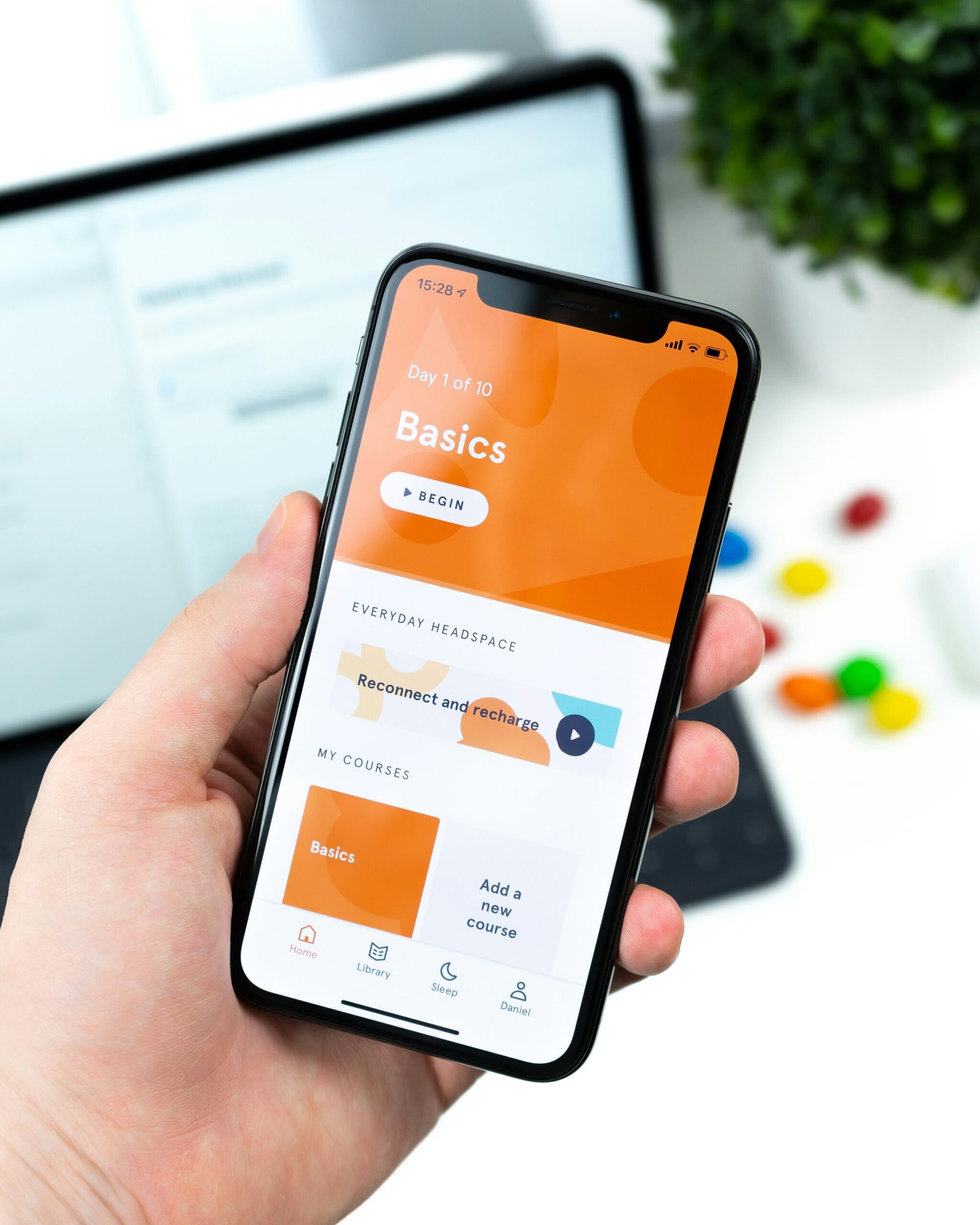
You’ve heard it before: “There’s an app for that.”
These days, it seems like every business—from your local coffee shop to the largest retailers—has a mobile app. And if you don’t have one, you might feel like you’re falling behind.
But here’s the truth: not every business needs a mobile app.
In fact, for many businesses, investing in a mobile app before you’re ready can be a costly mistake. On the flip side, waiting too long when an app would genuinely benefit your customers can mean missed opportunities.
So how do you decide?
Let’s walk through it together.
First, Understand the Difference: App vs. Mobile Website
Before we dive into whether you need an app, it’s important to understand what you’re comparing.
| Mobile Website | Mobile App |
|---|---|
| Accessible through any browser | Downloaded and installed on a device |
| One version works across all devices | May require separate iOS and Android versions |
| Easier and cheaper to build | Higher development and maintenance costs |
| Updates happen instantly | Users must download updates |
| Limited offline functionality | Can work offline (depending on features) |
A responsive mobile website is no longer optional—it’s essential. If your website isn’t optimized for mobile, you’re losing visitors and potential customers.
An app, on the other hand, is an investment that makes sense for certain types of businesses under specific conditions.
7 Questions to Ask Before Building an App
1. Do Your Customers Actually Want an App?
This is the most important question, yet it’s often overlooked.
Just because you think an app is a great idea doesn’t mean your customers will download it. People are selective about the apps they keep on their phones. They reserve space for apps they use regularly.
Ask yourself:
- Have customers asked for an app?
- Would an app solve a real problem they have?
- How often do they interact with your business?
If the answer is “not really” or “once a month,” a well-designed mobile website might serve you better.
2. Does Your Business Rely on Repeat Engagement?
Apps thrive on frequency. If your business model depends on customers engaging with you daily or weekly—think fitness, meditation, banking, or food delivery—an app can be a powerful tool.
Apps excel at:
- Sending push notifications
- Creating loyalty programs
- Offering personalized experiences
- Building habit-forming engagement
If your customers interact with you infrequently (once every few months), a website with good mobile optimization may be sufficient.
3. Do You Need Offline Functionality?
One of the biggest advantages apps have over websites is the ability to work without an internet connection.
If your business offers:
- Streaming content (music, videos, courses)
- Travel itineraries or maps
- Field service tools for remote workers
- Productivity or reference tools
…then an app might be the right choice. Offline access is a feature that websites simply can’t match.
4. What’s Your Budget?
Let’s be realistic: building a quality app isn’t cheap.
| App Type | Estimated Cost Range |
|---|---|
| Basic app (simple features, one platform) | $10,000 – $50,000 |
| Mid-range app (custom design, backend, two platforms) | $50,000 – $150,000 |
| Complex app (advanced features, ongoing updates) | $150,000+ |
And that’s just development. You’ll also need to budget for:
- Ongoing maintenance (15-20% of initial cost annually)
- App store fees ($99/year for Apple, $25 one-time for Google)
- Marketing to drive downloads
- Updates for new iOS/Android versions
If your budget is tight, a better mobile website might give you more return on investment.
5. Do You Have the Team to Maintain It?
An app isn’t a “build it and forget it” project. It requires ongoing attention.
You’ll need:
- A developer (or team) for updates and bug fixes
- Someone to manage app store listings and ratings
- A plan for handling user reviews
- Marketing resources to drive downloads
If you’re a solo entrepreneur or small business without technical support, maintaining an app can become a burden.
6. Does Your Business Need Specific Device Features?
Apps can tap into smartphone features that websites can’t access—or access only with limitations.
Consider an app if you need:
- Camera integration (scanning, AR, photo uploads)
- GPS and location services (real-time tracking, geofencing)
- Biometric authentication (fingerprint or face ID)
- Push notifications that appear even when the browser is closed
If your business concept relies on any of these, an app is likely your best path.
7. What Are Your Competitors Doing?
This question is worth asking, but with caution. Just because your competitors have an app doesn’t mean you need one.
Instead, ask:
- Are their apps successful? (Check app store ratings and download numbers)
- Are customers choosing them because of the app?
- Is there a feature their app has that your customers are asking you for?
Sometimes, competitors are wasting money on an app nobody uses. Other times, they’re capturing customers because they offer a better experience.
Signs You’re Ready for an App
If you answered “yes” to most of the questions above, you might be ready. Here are a few clear indicators:
✅ Your mobile website traffic is strong, but engagement is low. People visit, but they don’t return. An app could create a more engaging experience.
✅ Customers frequently ask for features a website can’t provide. Things like offline access, push notifications, or camera integration.
✅ You have a loyalty program or membership model. Apps make it easier for customers to track rewards and engage with your brand.
✅ Your business involves recurring transactions. Subscription services, weekly orders, or frequent bookings all benefit from the convenience of an app.
✅ You have the budget for quality development and ongoing maintenance. Rushing a low-quality app can damage your brand more than having no app at all.
Signs You Should Wait (or Stick with a Website)
❌ Your mobile website isn’t optimized yet. If your website loads slowly, isn’t responsive, or frustrates users, fix that first. A bad website + an app = two problems, not one solution.
❌ Your customer interactions are occasional. If people buy from you once or twice a year, they won’t download an app.
❌ Your budget is tight. A poorly built app will hurt your reputation. It’s better to invest in a great mobile website than a mediocre app.
❌ You don’t have a clear purpose for the app. “Because everyone else has one” is not a strategy.
The Progressive Web App (PWA) Option
If you’re still unsure, there’s a middle ground worth considering: Progressive Web Apps (PWAs) .
A PWA is essentially a website that behaves like an app. It can:
- Be installed on a user’s home screen without an app store
- Send push notifications
- Work offline (with limitations)
- Load quickly, even on slow connections
PWAs cost less to develop and maintain than native apps, and they work across both iOS and Android. For many businesses, a PWA is the perfect stepping stone before committing to a full native app.
Making Your Decision: A Simple Framework
Here’s a quick decision tree to guide you:
| Question | If Yes | If No |
|---|---|---|
| Is your mobile website fully optimized? | Proceed | Start here |
| Do customers engage with you weekly? | App is worth considering | Website may be enough |
| Do you need device features (camera, GPS, offline)? | App is strongly recommended | Website may be sufficient |
| Do you have budget for development & maintenance? | App is feasible | Consider PWA or wait |
| Do you have a clear purpose for the app? | Proceed | Define your purpose first |
Final Thoughts
A mobile app can be a powerful asset for your business—but only when it serves a genuine need for your customers and aligns with your resources.
Don’t let FOMO (fear of missing out) push you into a costly investment you’re not ready for. At the same time, don’t dismiss the idea if your business is in a position to benefit from deeper customer engagement, offline functionality, or device features.
Start with your customers. Ask them what they need. Watch how they interact with your business. And if you’re still unsure, a Progressive Web App offers a lower-risk way to test the waters.
Because at the end of the day, the right choice isn’t about having an app—it’s about having the right digital experience for your customers.
About The Author