

Children’s book illustration is far more than “pictures to go with the words.” It shapes how young readers understand characters, process emotions, and stay engaged page after page. If you’re an author, educator, or indie publisher, understanding children’s book illustration will help you create books that feel cohesive, professional, and truly readable for kids.
This guide walks through the essentials: what children’s book illustration involves, how the visual process works, key art styles, and practical tips for working with illustrators or planning your own illustrations.
What Is Children’s Book Illustration?
Children’s book illustration is the art of visually telling a story for young readers, typically from board books and picture books up through early chapter books and middle grade.
Good illustration in children’s publishing:
- Expands the text instead of merely repeating it
- Provides visual context (setting, time period, culture)
- Helps children decode emotions and actions
- Supports early literacy, especially for pre-readers and emerging readers
In picture books, illustration often carries 50% or more of the storytelling load—sometimes even more in wordless or low-text books.
The Role of Illustration in Child Development
Children’s book illustration is not just decorative. It plays a developmental role:
- Visual literacy: Kids learn to “read” images—expressions, body language, and visual cues.
- Vocabulary support: Images help children infer the meaning of new words.
- Emotional regulation: Illustrated scenes model feelings like fear, joy, or frustration in safe, understandable ways.
- Cultural awareness: Representation in illustrations shows children different families, cultures, bodies, and abilities.
For authors and publishers, this means your illustration choices have long-term impact, not just aesthetic appeal.
Common Styles in Children’s Book Illustration
There’s no single “right” style for children’s books. The style should reinforce the tone, age range, and themes of the story.
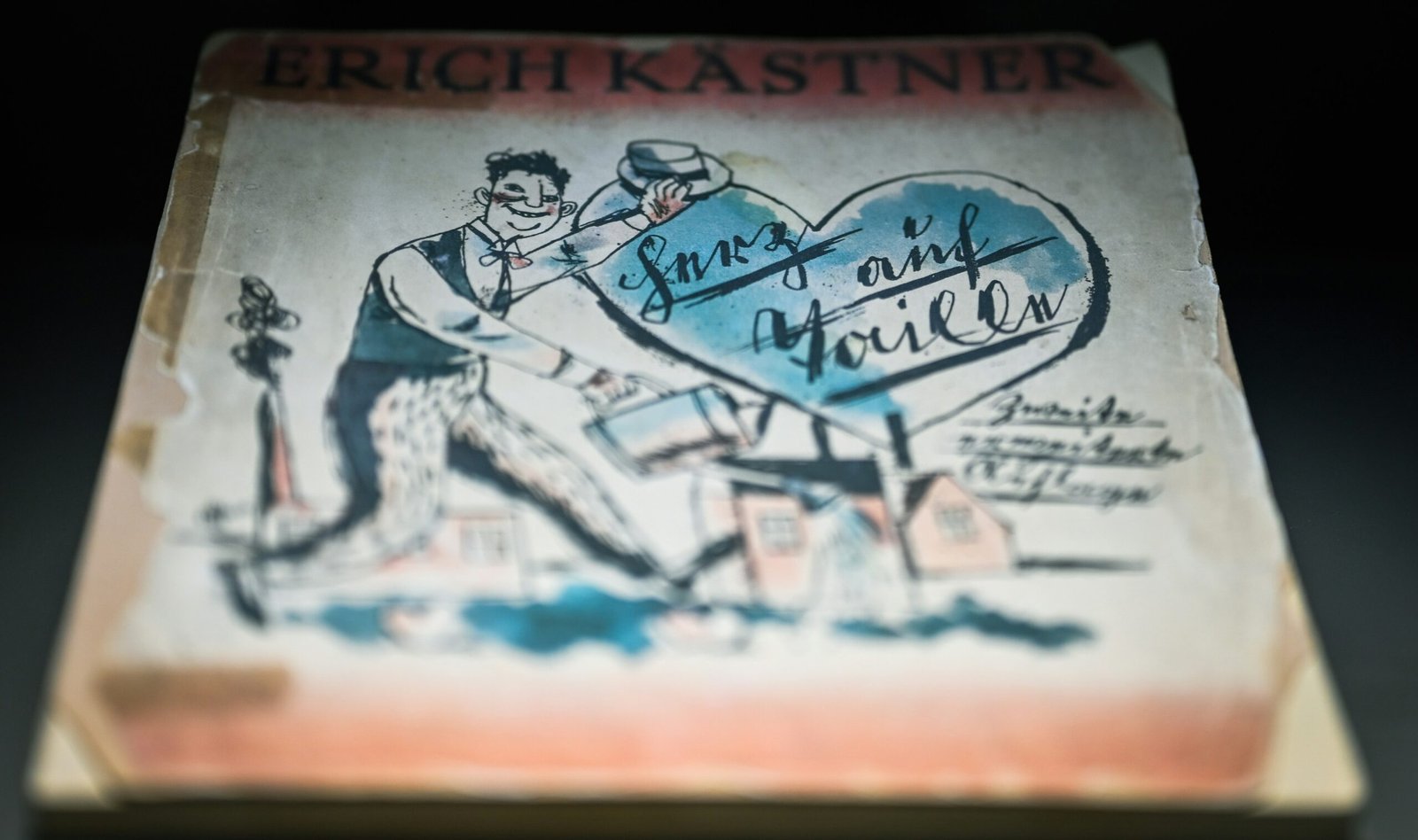
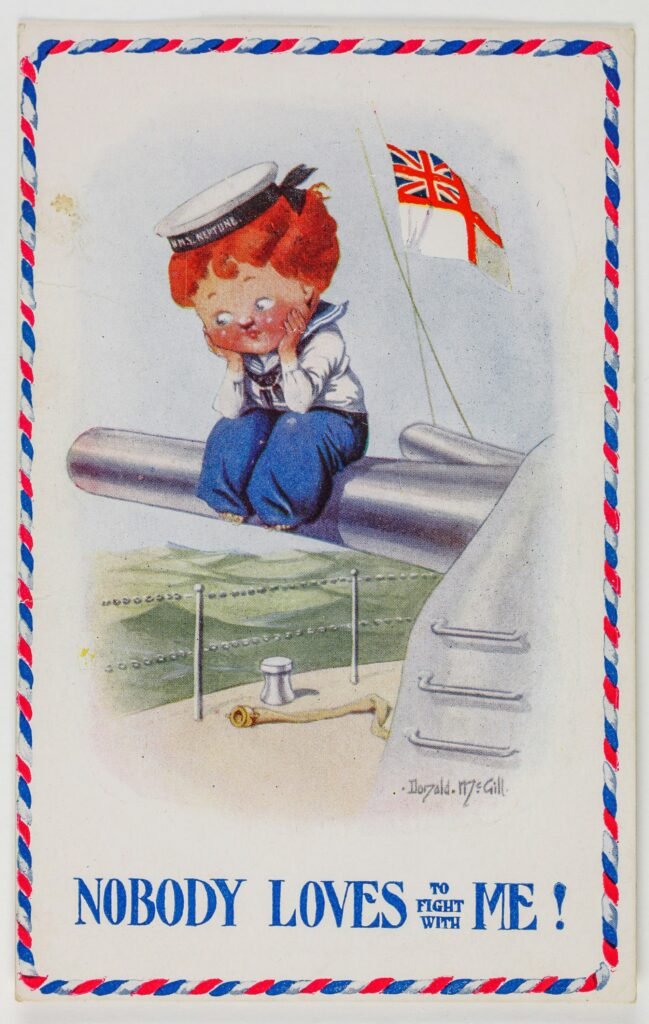
1. Cartoon and Character-Driven Styles
- Exaggerated expressions, simplified forms
- Strong, readable silhouettes
- Works well for humor, early readers, and high-energy stories
Ideal when you want instant emotional clarity and recognizability—especially for series characters.
2. Painterly and Atmospheric Styles
- Textured brushes, rich lighting, nuanced palettes
- Great for fantasy, lyrical stories, and bedtime books
- Often used in award-winning picture books where mood matters
These illustrations can invite slower, more reflective reading.
3. Graphic and Minimalist Styles
- Limited color palettes, bold shapes, clean lines
- Works well for concept books (numbers, colors, shapes) and design-forward publishers
- Very effective in digital formats and high-contrast print
Minimal detail can help very young children focus on key elements.
4. Mixed Media and Experimental Styles
- Collage, hand lettering, textures from fabric or paper
- Often used for artistic, educational, or biographical picture books
- Offers a tactile feel, even in print
This style can make nonfiction or heavier topics more approachable.
The Children’s Book Illustration Process (Step by Step)
Whether you hire an illustrator or illustrate your own work, the process usually follows a similar structure.
1. Manuscript and Brief
The illustrator receives:
- Final or near-final manuscript
- Art brief from the author or publisher:
- Target age range
- Number of pages/spreads
- Key scenes and emotional beats
- Cultural or historical references
- Any must-include details (e.g., character using a wheelchair, specific location)
A clear brief is one of the biggest drivers of a smooth children’s book illustration process.
2. Thumbnail Layouts and Storyboarding
The illustrator plans how the story will flow across the book:
- Thumbnails: tiny sketches for each spread
- Decisions about page turns, pacing, and “quiet” vs “big” moments
- Rough placement of text blocks versus image areas
This stage is about narrative rhythm, not polished art.
3. Character Design
Before final pages:
- Multiple iterations of main characters (body type, outfits, expressions)
- Turnarounds (front, side, back) for consistency
- Expression sheets (happy, sad, surprised, worried, etc.)
For children’s book illustration, readable expressions and consistent proportions are essential.
4. Rough Sketches for Each Spread
- Full-page or spread-sized sketches
- Composition, perspective, and staging of action
- Feedback cycle with editor/author to adjust poses, clarity, or continuity
This is the best time to request big changes—before color and detail work begins.
5. Final Line Art and Color
- Clean linework (if the style includes outlines)
- Color tests and palette decisions
- Final rendering: shading, textures, background elements
At this point, the children’s book illustrations should feel close to print-ready.
6. File Preparation and Hand-Off
Illustrator provides:
- High-resolution files (usually 300 DPI for print)
- Correct trim size and bleed
- Separate layers or safe areas if text will be added later
File formats may include layered PSD/Procreate files and final-print PDFs or TIFFs.
How to Work Effectively With a Children’s Book Illustrator
If you’re an author or publisher hiring for children’s book illustration, collaboration is critical.
- Choose by storytelling, not just style. Look for portfolios with strong character acting, clear sequences, and emotional range.
- Provide a detailed but flexible brief. Clarify must-haves and nice-to-haves.
- Respect the illustrator’s visual expertise. Avoid over-directing every detail; focus on story and clarity.
- Consolidate feedback. Gather input from all stakeholders, then send one coherent round of notes.
- Align on schedule and revisions. Specify how many revision rounds are included and key milestones (roughs, color, final).
A strong working relationship can transform a good manuscript into a memorable children’s book.
Budgeting for Children’s Book Illustration
Pricing varies widely based on:
- Experience and reputation of the illustrator
- Complexity and page count (e.g., full-spread scenes vs spot illustrations)
- Rights and usage (one-time print run vs all rights, global, and digital)
Typical pricing models:
- Per project (flat fee for full book)
- Per spread or per illustration
- Advance + royalties (more common with traditional publishers)
For indie authors, investing properly in children’s book illustration is often the single biggest factor in how professional the final book looks to buyers, librarians, and reviewers.
Planning Your Own Children’s Book Illustrations (If You’re the Artist)
If you both write and illustrate:
- Start with page breakdowns: how many pages, where major beats occur.
- Think in page turns: each turn is a chance for surprise, humor, or emotional shift.
- Use visual motifs to unify the book (recurring colors, shapes, or background elements).
- Leave enough negative space for text and don’t crowd every corner.
Consider building a dummy book (physical mock-up) to test pacing and flow before finishing all art.
Current Trends in Children’s Book Illustration
Understanding trends helps you position your project without copying others.
- Diverse representation: wider range of skin tones, body types, family structures, and abilities.
- Non-Western visual influences: pattern, color, and composition from global art traditions.
- Digital-first workflows: most children’s book illustration is now created digitally but often mimics traditional media.
- Hybrid fiction/nonfiction: educational picture books with narrative arcs and rich spreads.
Balancing timeless storytelling with contemporary visual language makes your children’s book more relevant to today’s readers and buyers.
Quick Checklist for a Strong Children’s Book Illustration Plan
Before you start or commission artwork, confirm:
- Target age range and reading level are clearly defined
- Manuscript is nearly final (only minor text edits left)
- Illustration style aligns with tone and readers’ expectations
- Character designs are consistent and expressive
- Page breakdown, thumbnails, and pacing are approved
- Rights, budget, and timeline are agreed in writing
With these pieces in place, your children’s book illustration process will be smoother, more predictable, and more creatively satisfying—for you, your illustrator, and the kids who will live with your story on their shelves.
About The Author